
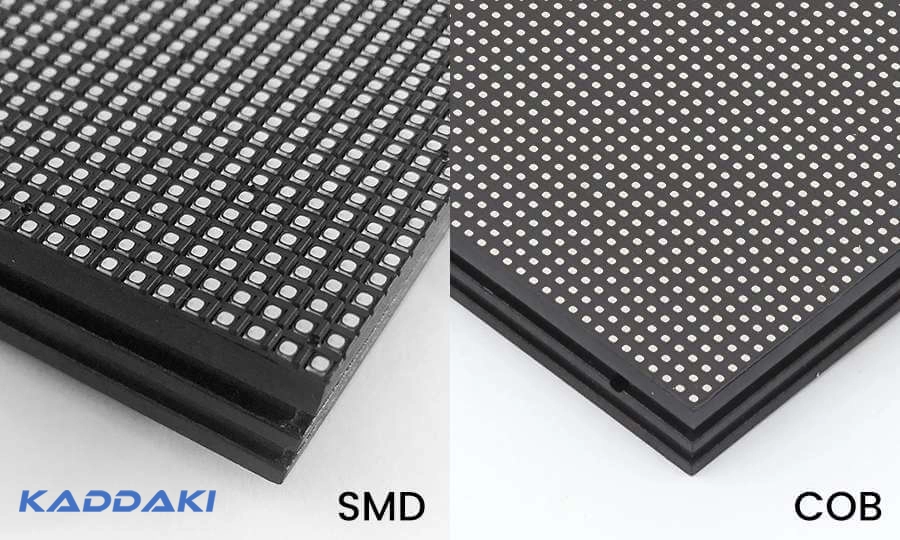
In today’s advanced display technologies, the choice between Surface-Mounted Device (SMD) and Chip-On-Board (COB) LED panels is pivotal for applications such as conference rooms and monitoring spaces. This blog explores these technologies’ history, technical distinctions, and suitability for professional environments.
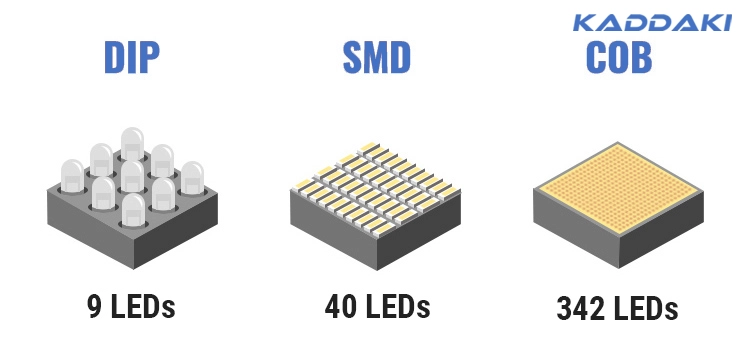
1. The Evolution of LED Panel Technologies
The development of LED technology has been transformative, driven by the need for better performance and more efficient solutions.
- Early Beginnings with DIP LEDs: Dual In-line Package (DIP) LEDs were among the first iterations. Known for their robust design, these LEDs were widely used in outdoor signage due to their brightness and durability. Their larger size and limited resolution made them unsuitable for high-definition applications, but they laid the groundwork for future advancements.
- Transition to SMD LEDs: The introduction of SMD technology marked a significant leap, allowing multiple diodes to be mounted on a single chip. This innovation improved resolution and reduced panel size, making SMD ideal for indoor applications. Its ability to produce a wider color gamut and better clarity was a game-changer for industries needing detailed visual displays.
- The emergence of COB LEDs: Building on these advancements, COB technology eliminated the need for individual diode packaging by directly bonding LED chips onto a substrate. This evolution paved the way for panels with higher brightness, better heat dissipation, and seamless light output. The improved durability and efficiency of COB panels have positioned them as a preferred choice for demanding environments.
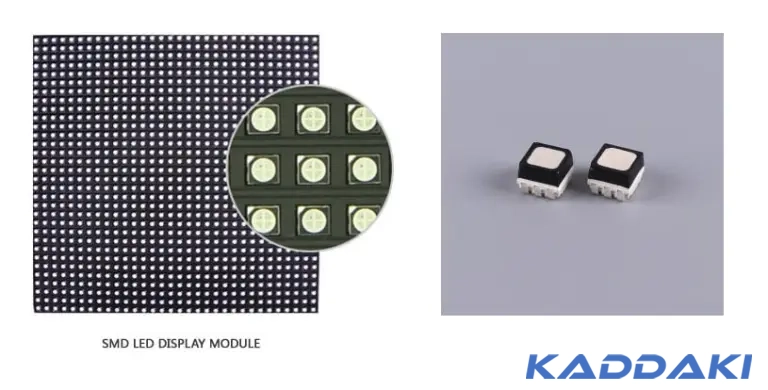
2. Understanding SMD Technology
SMD LEDs revolutionized display technology with their compact design and versatility.
- Technical Design: SMD technology incorporates red, green, and blue diodes into a single chip. This configuration enables a full spectrum of colors, making SMD panels ideal for detailed displays. The design allows for smaller pixel pitches, which directly enhance resolution and sharpness, critical for applications such as video conferencing and control room displays.
- Applications in Displays: Their lightweight structure and adaptability have made SMD panels a popular choice for conference rooms, control centers, and digital signage where clarity and precision are critical. They excel in environments where close viewing distances are common, as their high pixel density ensures detailed visuals even at short ranges. However, their fragility and susceptibility to damage during maintenance require careful handling.
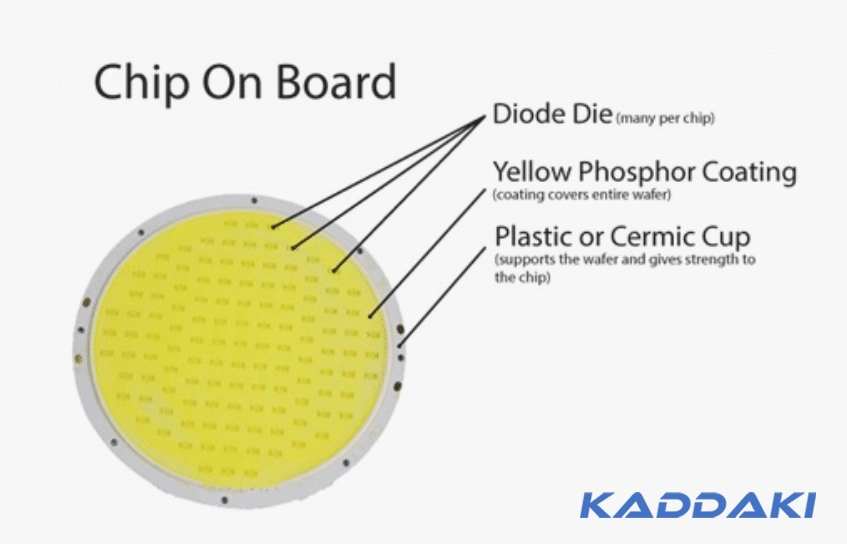
3. COB Technology: A Game-Changer in LED Panels
COB LEDs further refined the performance and reliability of LED displays.
- Technical Advantages: By mounting LED chips directly onto a substrate, COB panels achieve better heat dissipation and higher density. This design reduces glare and enhances the uniformity of light, addressing common issues with brightness hotspots in traditional LEDs. COB’s structure also minimizes the gap between diodes, creating a seamless visual experience without the “grid-like” appearance sometimes observed in SMD panels.
- Professional Applications: With superior brightness and durability, COB panels are particularly suited for large-scale displays in monitoring spaces and high-demand environments. Their ability to maintain performance in varying ambient lighting conditions makes them a reliable choice for mission-critical applications such as emergency response centers and financial monitoring hubs.
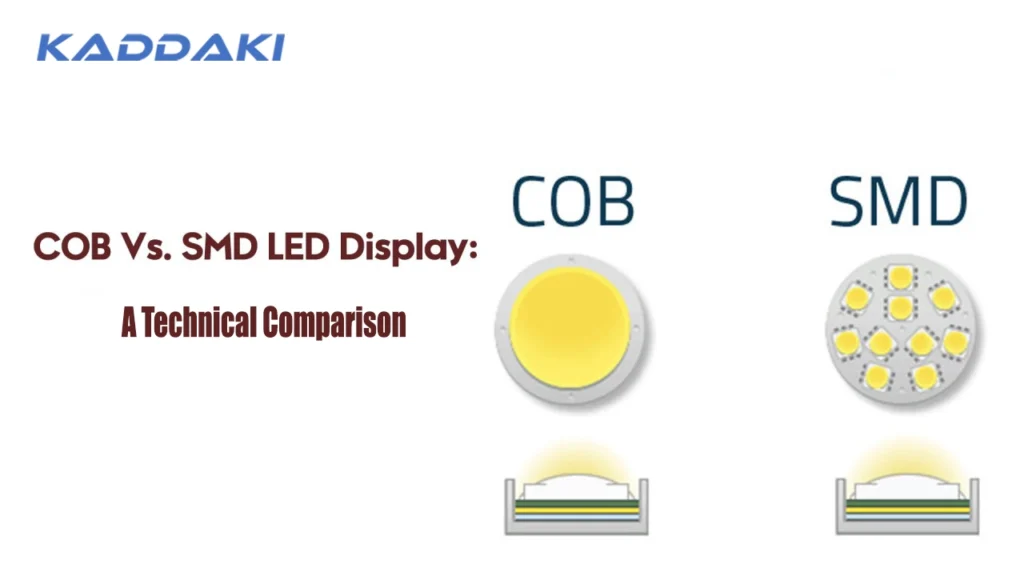
4. SMD vs. COB: A Technical Comparison
To make an informed choice, it is essential to understand the key differences between SMD and COB technologies.
- Pixel Pitch and Resolution: SMD panels offer higher resolutions for close-viewing applications. Their ability to achieve smaller pixel pitches is unmatched for scenarios requiring intricate detail, such as medical imaging or architectural presentations. In contrast, COB panels excel in achieving tighter pixel pitches for ultra-high-definition displays, but their edge lies in maintaining uniformity and performance over larger surfaces.
- Brightness and Uniformity: COB panels provide exceptional brightness and consistent light distribution, which are critical for large-scale installations. Unlike SMD panels, which may show variances in brightness across a display, COB technology ensures uniformity, making it ideal for wide-angle viewing and expansive setups. This consistency enhances audience engagement in conference rooms or lecture halls.
- Energy Efficiency: COB panels are typically more energy-efficient, reducing operational costs over time. Their efficient heat dissipation also extends the lifespan of the LEDs, making them a cost-effective solution in the long run.
5. Durability and Maintenance
The longevity and upkeep of LED panels are major considerations for professional environments.
- SMD Panels: While versatile, SMD panels have exposed components that can be more prone to damage. Dust, moisture, and physical contact during maintenance can compromise their performance. Frequent repairs or replacements can add to operational costs, making them less ideal for environments with heavy usage or harsh conditions.
- COB Panels: The robust design of COB panels ensures better protection against physical impact and environmental factors. Their encapsulated structure resists dust and moisture, significantly reducing maintenance needs. This makes them particularly advantageous for environments like industrial control rooms or outdoor monitoring setups, where reliability is non-negotiable.
6. Viewing Angles and Experience
The viewing experience is critical for large-scale displays in professional spaces.
- SMD Panels: These offer wide viewing angles, ensuring that images and text remain legible even when viewed from the sides. However, there may be a noticeable drop in brightness or color accuracy at extreme angles, which can detract from the user experience in larger venues.
- COB Panels: COB technology delivers superior viewing angles with minimal loss in brightness or color fidelity. The enhanced uniformity of COB displays ensures that audiences seated at the far edges of a room receive the same high-quality visuals as those directly in front of the screen, making them ideal for conference rooms and lecture halls.
7. Cost Considerations
Budget constraints often influence the choice of technology.
- SMD Panels: SMD displays are generally more affordable upfront, making them suitable for projects with limited budgets. However, hidden costs related to maintenance and energy consumption can accumulate over time, reducing their overall cost-effectiveness.
- COB Panels: While COB panels may have higher initial costs, their durability, energy efficiency, and reduced maintenance needs offer better long-term value. For large-scale projects that prioritize quality and longevity, COB technology presents a more sustainable investment.
8. Installation and Scalability
The ease of installation and scalability is crucial for large-scale projects.
- SMD Panels: Installation of SMD panels can be more intricate due to the alignment of individual modules. This complexity can increase labor costs and prolong setup times, especially for expansive displays.
- COB Panels: The unified structure of COB panels simplifies installation and allows for more seamless scalability in expansive setups. Their modular design supports quick replacements and upgrades, reducing downtime during maintenance or system enhancements.
9. Future Trends in LED Technologies
The future of LED display technology promises even greater advancements.
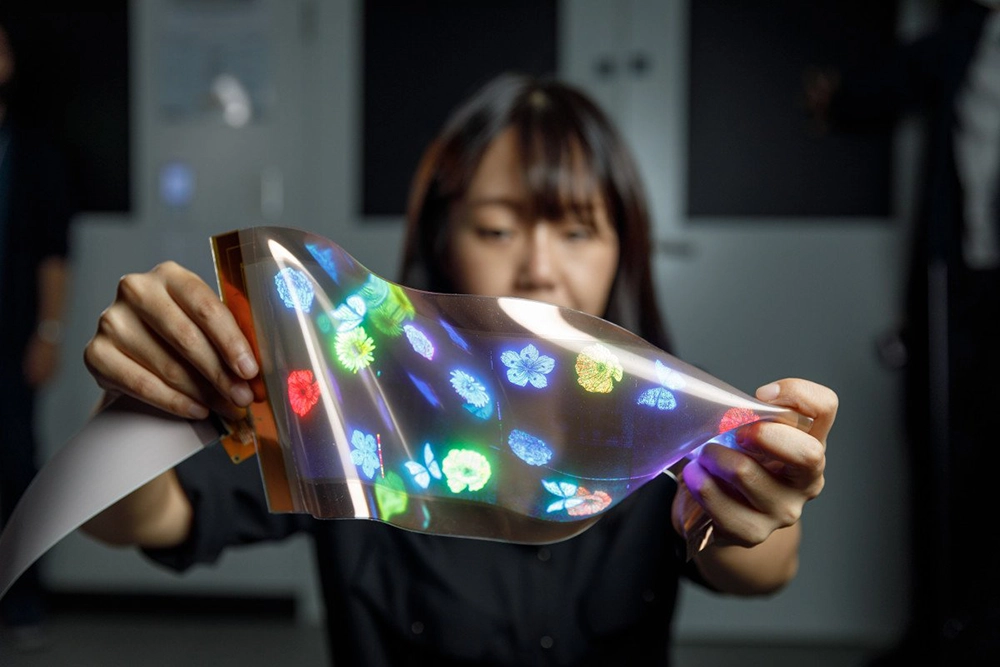
- Micro LED Displays: These next-generation LEDs take COB technology further by offering smaller diodes, leading to ultra-high resolutions. They are expected to redefine display standards in professional and consumer markets alike.
- Integration with Smart Systems: Emerging technologies aim to integrate LED panels with AI-driven systems for enhanced adaptability and interactivity. These advancements will further optimize COB and SMD technologies for specific use cases, such as interactive conference room displays or real-time monitoring solutions.
Conclusion
The choice between SMD and COB panels ultimately depends on specific project requirements. While SMD panels remain a cost-effective and versatile option, COB panels provide superior brightness, durability, and energy efficiency, making them ideal for high-demand environments like conference rooms and monitoring spaces.
For cutting-edge solutions, Kaddaki offers unparalleled expertise in LED technology. Specializing in COB LED displays, Kaddaki delivers high-performance panels tailored to professional needs. With a commitment to quality and innovation, Kaddaki ensures seamless installations and exceptional viewing experiences.

No comment